Capture & integration
Performance under actual industrial conditions; contaminants, variability and reliability.
INNOVATION & RESEARCH
Connect scientific questions with industrial needs, material applications and rigorous measurement.
SIX AREAS FOR EXPLORATION
Performance under actual industrial conditions; contaminants, variability and reliability.
Bicarbonate/carbonate composition, separation, purity, repeatability and potential applications.
Thermal processing, energy requirements and product qualification for potential glass applications.
Recovery, purification and suitability for a proposed ammonia-based fertiliser value chain.
Independent production characterisation, energy balance, controls and potential industrial uses.
Track energy, reagents, carbon losses, product use and eventual carbon release across the whole pathway.
07 / FOOD SECURITY — BEYOND CARBON
Established chemistry combines CO₂ and ammonia to produce urea. We aim to explore whether recovered carbon could meet the needs of this value chain.
08 / HYDROGEN — FUTURE ENERGY
A separate development programme investigates output, purity, energy requirements and safe operating controls before future industrial uses can be established.
BUILD A RESEARCH PROGRAMME
Start with a defined scope, access to appropriate samples or data, a test protocol and clear responsibilities for intellectual property and publication. Institutional involvement is exploratory unless an agreement is documented.
Discuss a research collaboration ↗Application and river imagery supplied by CSEQ Asia. These are illustrative references, not product or facility evidence.
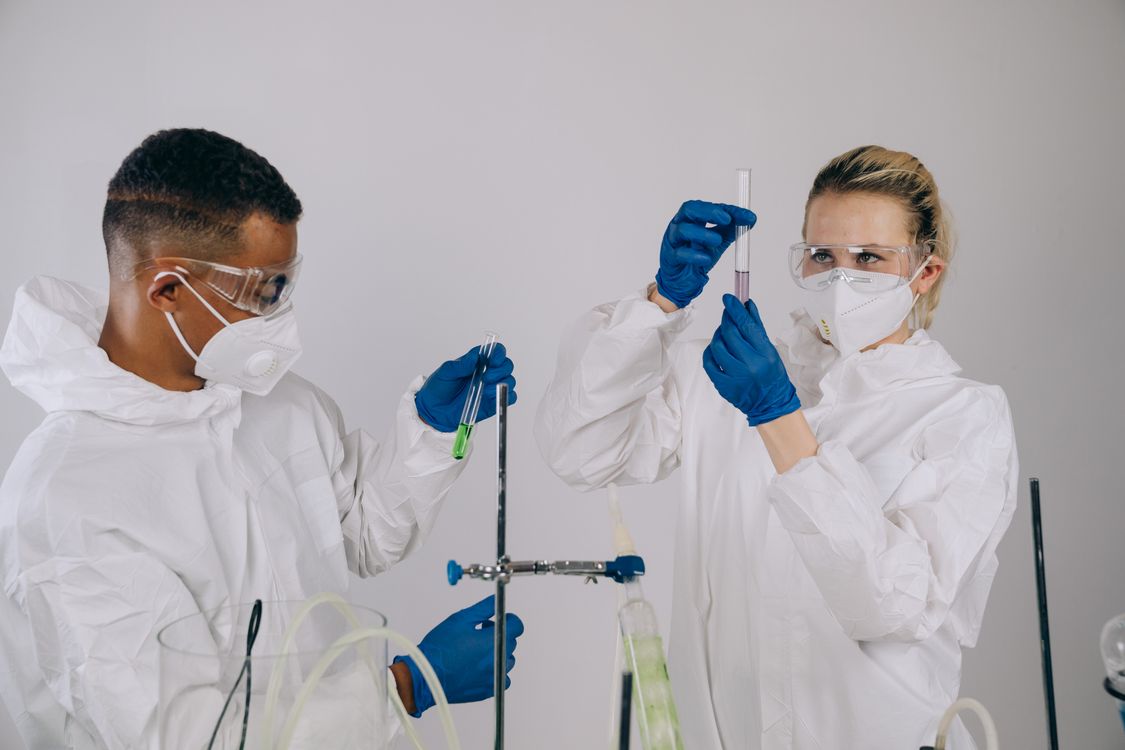
Nature photograph: Pok Rie / Pexels. Industry aerial: 8 K / Pexels. Laboratory: Mikhail Nilov / Pexels. Used under the Pexels licence, with responsive cropping and colour overlays. Context images do not depict CSEQ facilities, employees or confirmed partners.
Industrial, sunrise landscape and future-research illustrations are AI-generated conceptual artwork, not actual CSEQ installations or validated engineering designs. Genuine pilot photographs are identified separately. Pilot photographs come from supplied CSEQ materials. Evidence: Beca Pilot Plant Performance Review, 17 September 2026; technology-team status note, 15 July 2026. Confidential documents are not downloadable here.
Established chemistry references: University of York / Essential Chemical Industry — sodium carbonate; Solvay — soda ash applications; US EPA — ammonia and urea processes. Sources describe general chemistry, not proof of CSEQ downstream integration.